Home CCTV and the law: a plain guide
You are allowed to put CCTV on your own home. The rules only start to bite when your cameras see beyond your own boundary. Here is what that means in practice.
If the cameras only see your own property
Data protection law does not apply to cameras that only capture your own house and garden. This is the simplest way to set a system up, and it is what I aim for wherever the building allows.
If they see the street or next door
If your CCTV records beyond your boundary, for example a neighbour's garden, a shared drive or the pavement, data protection law applies and you become responsible for that footage. The Information Commissioner's Office (ICO) sets out what you must do. In short:
- Have a clear reason for filming there, such as protecting your car on the road
- Tell people, usually with a sign saying recording is taking place
- Do not keep footage longer than you need it
- Keep recordings secure and do not share them without good reason
- Be ready to give people footage of themselves if they ask for it
The ICO's guidance for people using home CCTV is the place to read the full rules: ico.org.uk home CCTV guidance. The ICO notes this guidance is under review following the Data (Use and Access) Act 2025, so check their page for the current position.
Ways to stay on the right side
Angle cameras so they cover your property and as little else as possible. Where a camera cannot avoid a neighbour's window or garden, a privacy mask can blank that part of the picture. And it costs nothing to tell the neighbours what you are doing before the cameras go up. Most fall-outs over CCTV start with a surprise.
Think carefully before recording sound. Audio picks up private conversations and is much more intrusive than pictures.
Do I need planning permission?
Planning permission is not normally needed to put a CCTV camera on a house. Listed buildings are different, and so are some properties in conservation areas, so check with the council first if that is you. There is plenty of both around Skipton, Haworth and Ilkley.
The Planning Portal has the national guidance: planningportal.co.uk security and CCTV.
What about businesses?
Businesses do not get the household exemption. If you run CCTV at work you need to follow data protection law in full, including signs and a policy for who can see the footage. See commercial CCTV for how I set those systems up.
A note on this guide
This is a plain summary from an installer, not legal advice. If you have a dispute with a neighbour or an unusual property, read the ICO guidance or take advice.
Quick answers
Is it legal to have CCTV on my house?
Yes. If your cameras only cover your own property, data protection law does not apply. If they capture the street or a neighbour's property there are rules to follow. My guide to home CCTV and the law covers them.
My neighbour says my camera points at their house. What should I do?
Talk to them and show them what the camera actually sees. If it does take in their property, re-angling it or adding a privacy mask usually solves it. The ICO guidance explains everyone's rights.
Do I need a CCTV sign?
If your cameras record beyond your boundary, you need to let people know, and a sign is the usual way. If they only cover your own property a sign is optional, though many people like the deterrent.
CCTV I fit
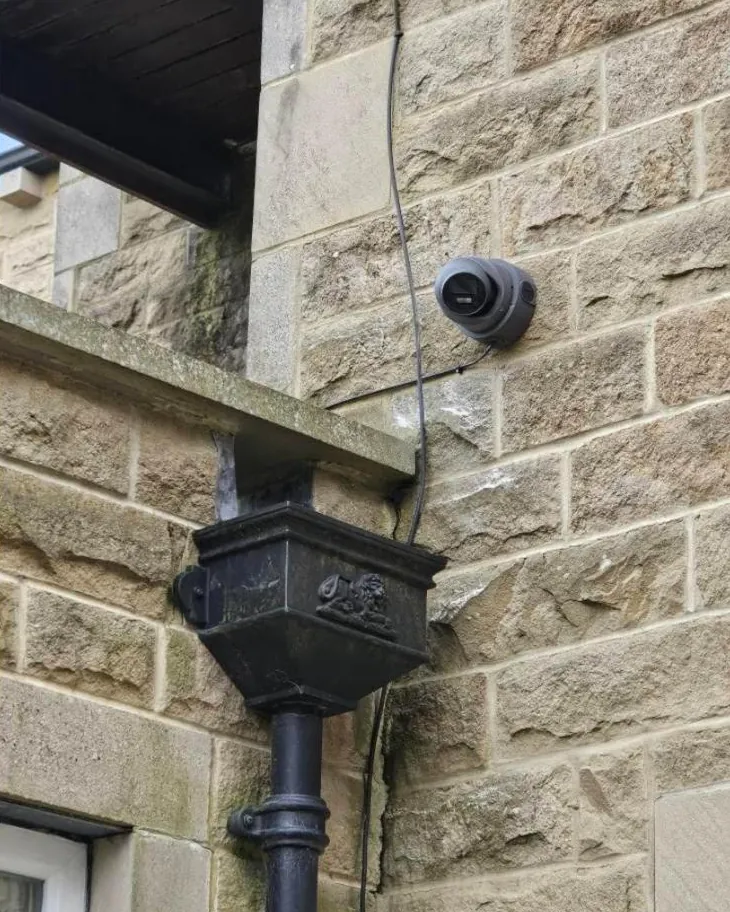 Home CCTVFront door, drive and back garden covered, with the pictures on your phone.
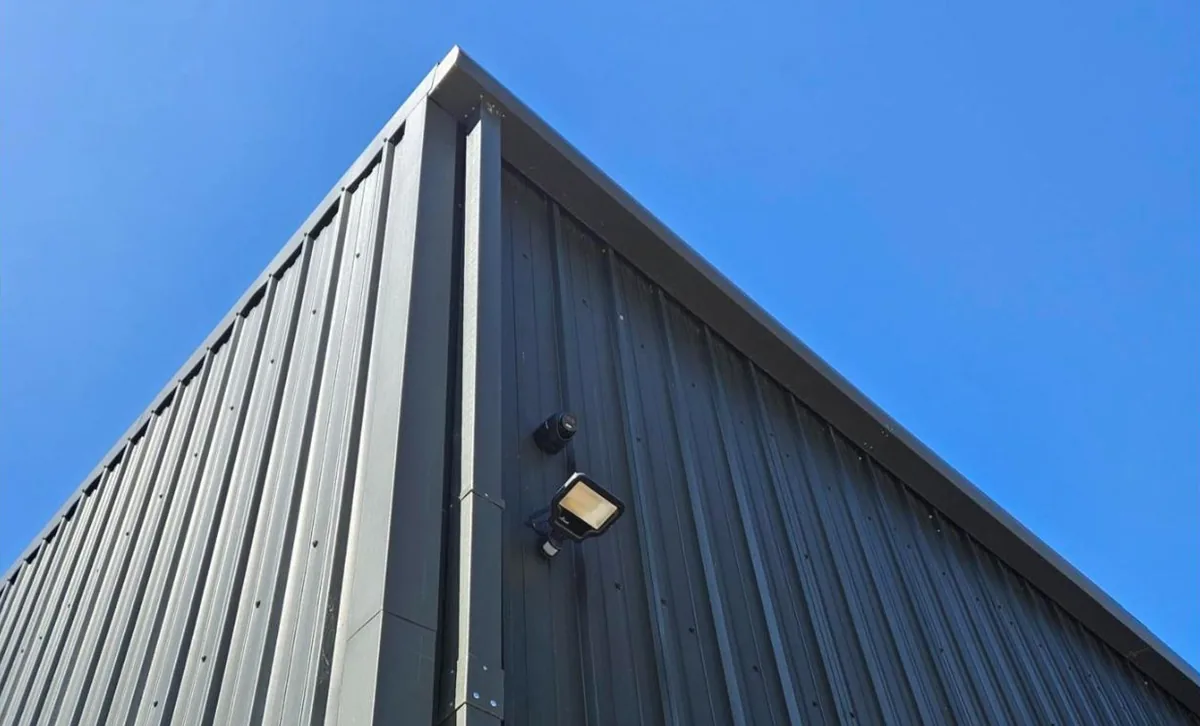 Business CCTVShops, units, yards and offices. Multi-camera systems planned around how the site works.
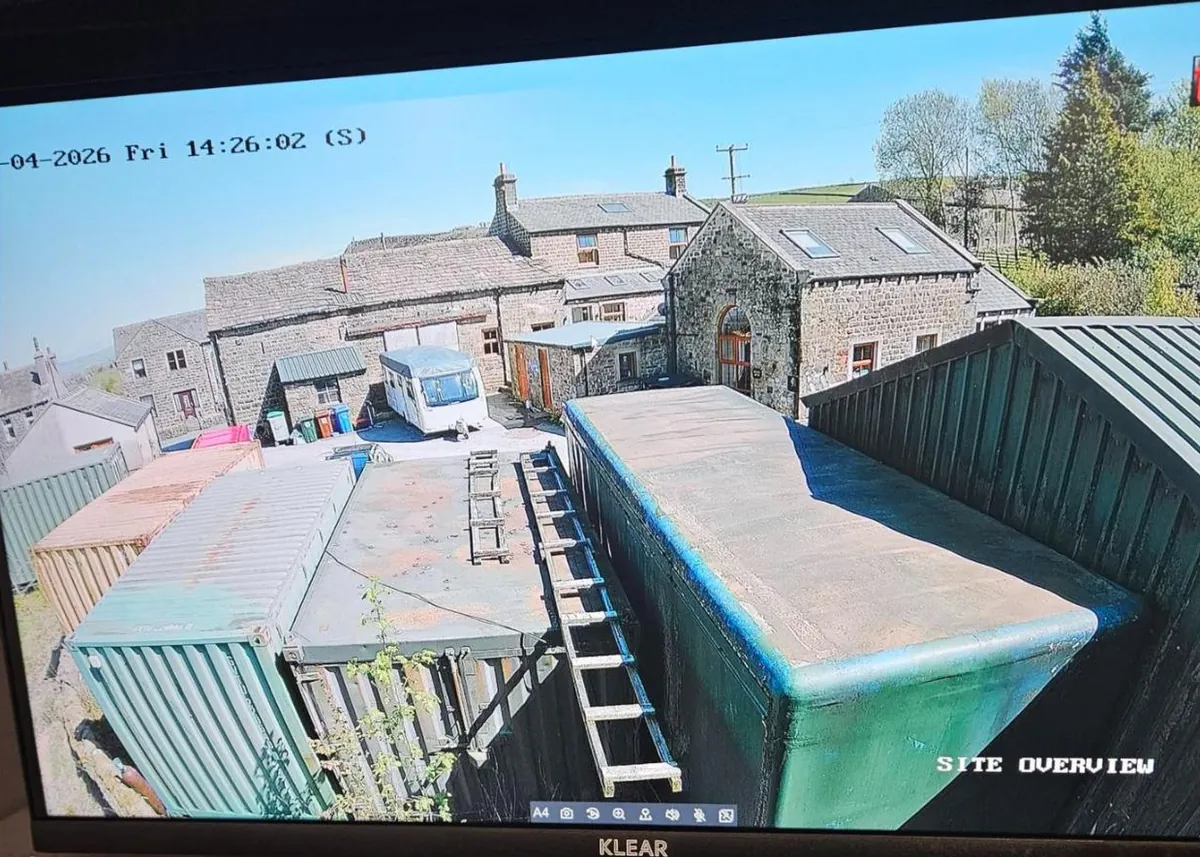 Farm and rural CCTVWhole-yard coverage and wireless links to barns too far away for a cable.
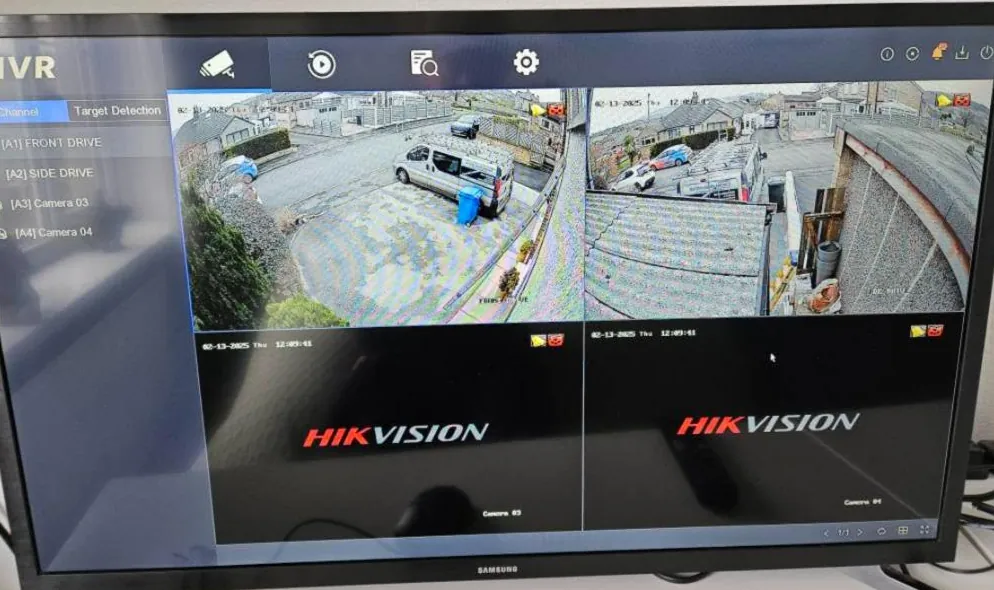 Repairs and upgradesCameras gone black, recorder beeping or app not connecting. Often it is one fault.
Get a free quote
Ring me or send a message. Say roughly what you want covered and where you are, and I'll arrange a time to come and look. The visit and the quote are free.
- Mobile 07710 986544
- Landline 01535 636222
- Email dannywaterfield@hotmail.co.uk
- Address 13 Brown Bank Terrace, Cross Hills, Keighley, BD20 7DR